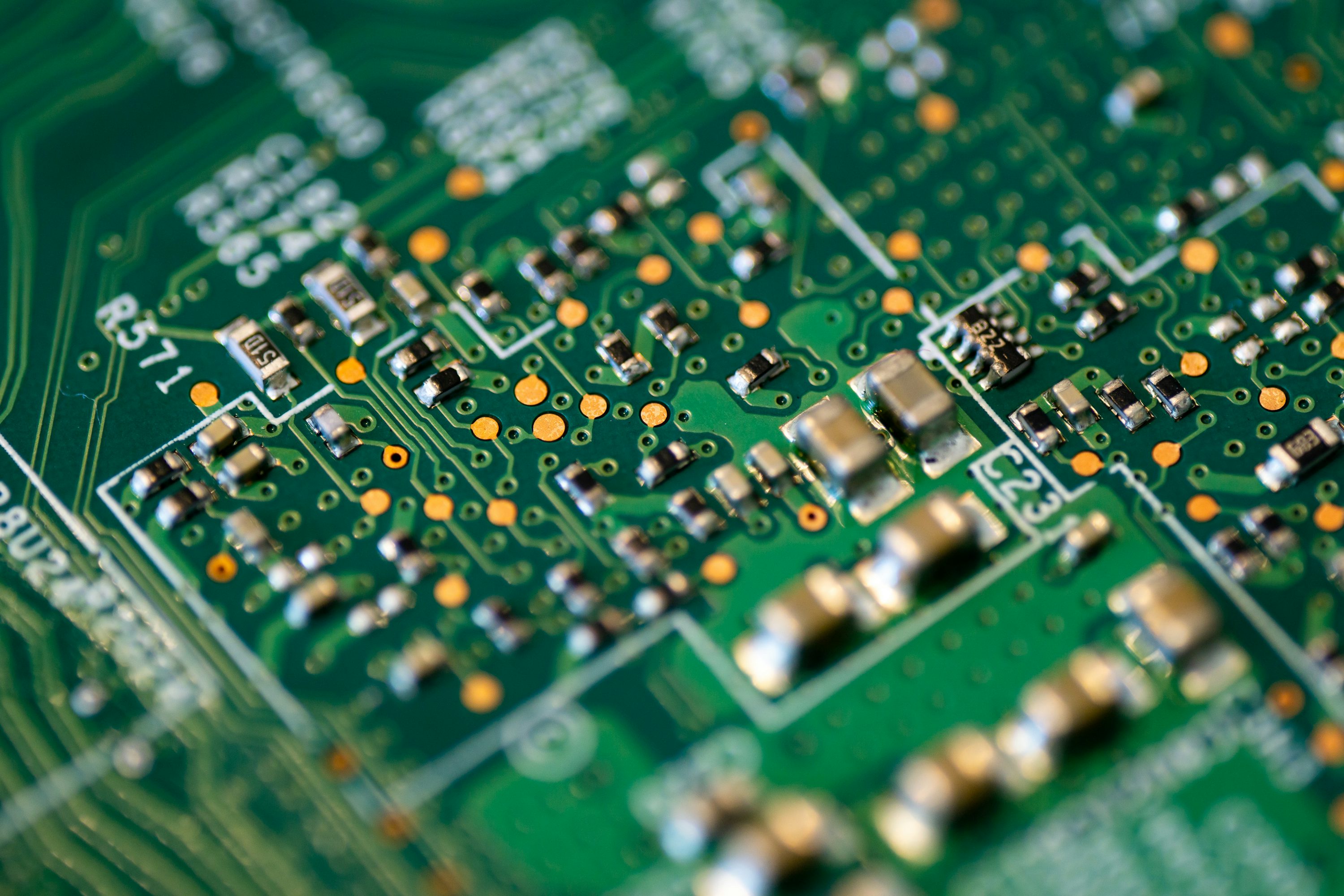
What Does a Processor Actually Do?
A processor reads simple instructions extremely fast, shuffling numbers through switches billions of times per second. The guide runs the fetch loop.
A processor reads simple instructions extremely fast, shuffling numbers through switches billions of times per second.
The article below connects one idea to a routine in 4 sections.
The guide runs the fetch loop. The sections below start with the idea and end with tonight's practice.
The core idea
A processor executes instructions one after another, extremely fast. In addition, each instruction is a simple operation on numbers. Moreover, the loop fetches an instruction, decodes it carefully, executes it, and repeats the whole round endlessly.
Everything digital reduces to these instruction streams. Modern processors run multiple instruction streams at once. Furthermore, the clock rate counts the loop's rounds per second.
Why it works
Billions of tiny switches called transistors implement the logic. Equally, the switches direct electrical signals along engineered paths. Arithmetic emerges from networks of these switches.
, the fetch-execute loop at billions of rounds a second, is the whole machine. Memory feeds the processor the instructions and data at a steady pace. Moreover, the loop's speed, billions of rounds a second, makes simple steps compose into everything. Caches sit very close to the processor to feed it fast enough for billions of rounds.
Drop in a PDF. Every miss becomes a red node on a knowledge map. Quiz yourself and each node turns green.
Open Brain — freeHow to think about speed
Compare clock rates only within the same generation's family. Count cores for work that runs in parallel. Expect storage speed to bottleneck otherwise fast processors.
Watch temperatures, since processors slow themselves to protect themselves. Notice that most everyday tasks wait on other components. Judge by real benchmarks rather than spec sheets alone.
Common confusions
Many think processors think, while they only execute ruthless simple steps. In addition, some equate gigahertz with speed directly, while design matters equally. Others believe more cores always help, while software must use them.
Many fear background wear, while processors are rated for decades of work. In addition, a few think memory and storage are the same, which bottlenecks their purchases. Moreover, the honest picture is a tireless simple loop, engineered switches, caches feeding it, and simplicity at scale making everything.
Quick answers
The questions below test the core lesson. Each answer states one key fact.
What Does a Processor Actually Do?Pause to think. Then press enter to reveal.
Answer:A processor reads simple instructions extremely fast, shuffling numbers through switches billions of times per second.
What's the short answer?Pause to think. Then press enter to reveal.
Answer:A processor executes instructions one after another, extremely fast.
Why does it actually work?Pause to think. Then press enter to reveal.
Answer:Billions of tiny switches called transistors implement the logic.
One thing to do tonight
Write down the main lesson from What Does a Processor Actually Do? in one sentence, and that sentence becomes tomorrow's first review.
At a glance
Each section of this guide in one line.
| Section | What it covers |
|---|---|
| The core idea | A processor executes instructions one after another, extremely fast. |
| Why it works | Billions of tiny switches called transistors implement the logic. |
| How to think about speed | Compare clock rates only within the same generation's family. |
| Common confusions | Many think processors think, while they only execute ruthless simple steps. |
Cite this guide
Brain — try4ever. (2026, November 27). What Does a Processor Actually Do?. Brain Blog, try4ever.com. Retrieved November 29, 2026, from https://www.try4ever.com/blog/what-does-a-processor-actually-do/"What Does a Processor Actually Do?." Brain Blog, try4ever, 27 Nov. 2026, www.try4ever.com/blog/what-does-a-processor-actually-do/. Accessed 29 Nov. 2026.Brain — try4ever. "What Does a Processor Actually Do?." Brain Blog, try4ever.com, November 27, 2026. https://www.try4ever.com/blog/what-does-a-processor-actually-do/.@misc{brain2026what-does-a-processor-actually-do,
author = {{Brain — try4ever}},
title = {What Does a Processor Actually Do?},
year = {2026},
howpublished = {\url{https://www.try4ever.com/blog/what-does-a-processor-actually-do/}},
note = {Brain Blog, try4ever.com; published 2026-11-27}
}Link to this guide
<a href="https://www.try4ever.com/blog/what-does-a-processor-actually-do/">What Does a Processor Actually Do?</a> — Brain, try4ever.com[What Does a Processor Actually Do?](https://www.try4ever.com/blog/what-does-a-processor-actually-do/) — Brain, try4ever.comReproducing a paragraph elsewhere? Keep the source line that appears when you copy it — that citation is what search engines and AI assistants credit back to this page.